
Zinc rot (zinc pest) and dry rot in diecast farm toys
Two different problems get called rot. Zinc rot (also called zinc pest or diecast cancer) crumbles the metal body of a toy, and the metal cannot be repaired. Dry rot cracks the rubber tires and hoses, and new parts fix it.
Which problem is it?
| Problem | What you see | Can it be fixed | Effect on price |
|---|---|---|---|
| Zinc rot | Cracks, bulges or powder in the metal body, and parts breaking off | No, the metal is ruined | Often sold as parts |
| Tire and hose dry rot | Cracked, chalky or flat-spotted rubber, brittle hoses | Yes, replace the parts | Condition deduction |
| Paint rash | Small pimples or dull spots, with flat metal underneath | Cosmetic only | Minor condition deduction |
How condition feeds the estimates is covered in About our pricing.
Zinc rot
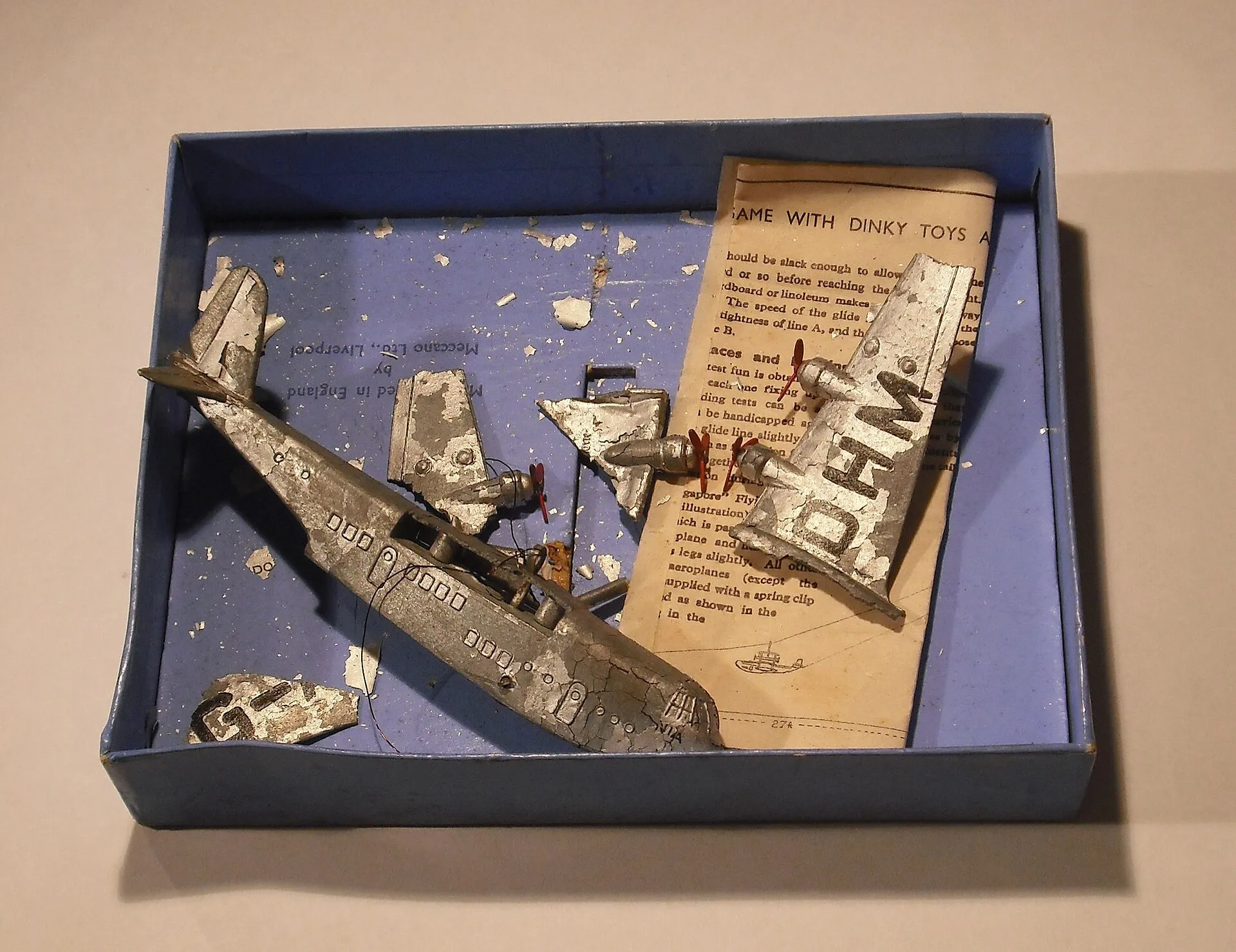
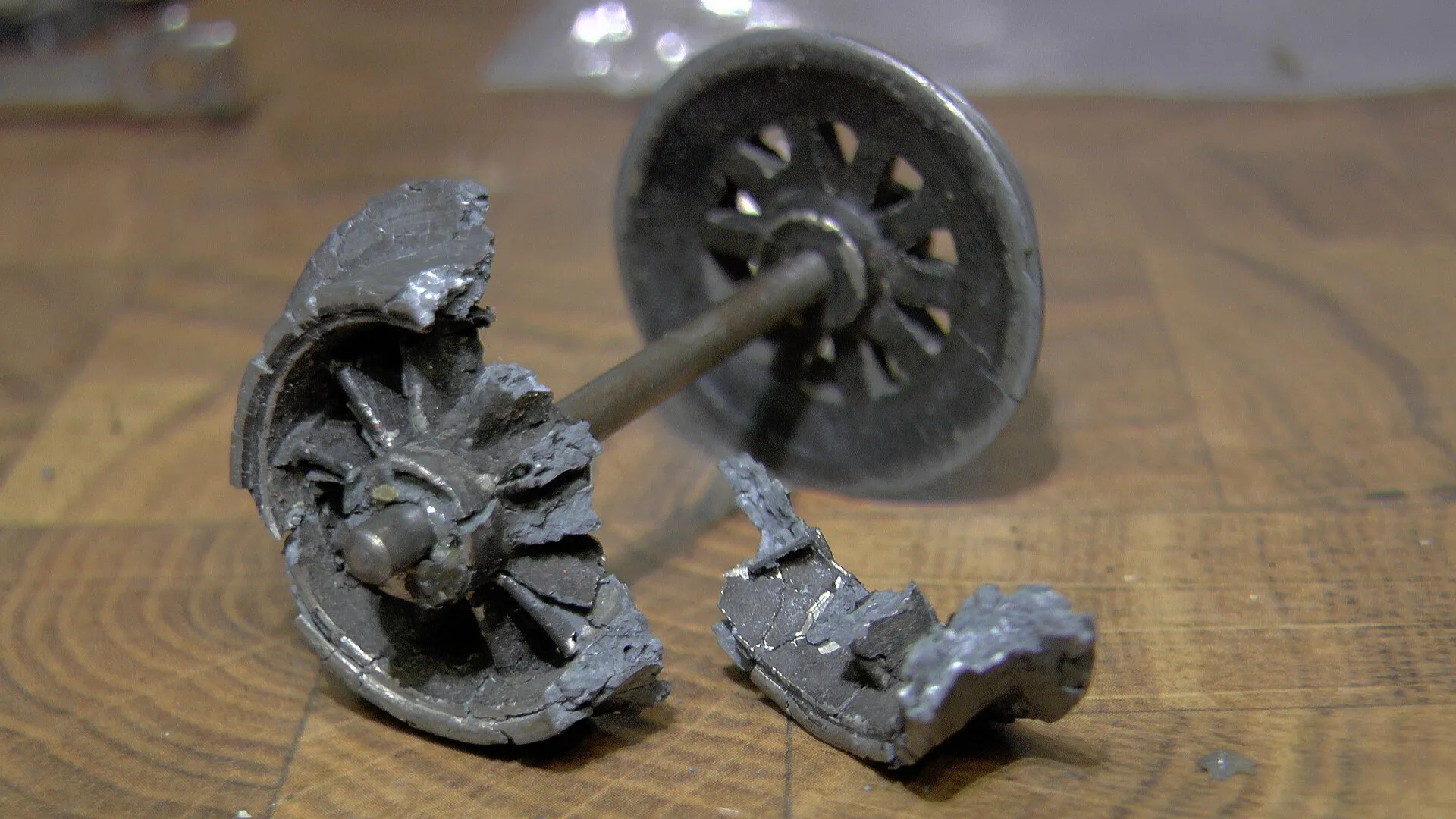
Most die-cast toy bodies are cast from a zinc alloy called Zamak. When a batch of the metal is impure, with traces of lead, tin or cadmium, it slowly breaks down from the inside, even in a closed box. The breakdown swells the metal, so it cracks and crumbles.
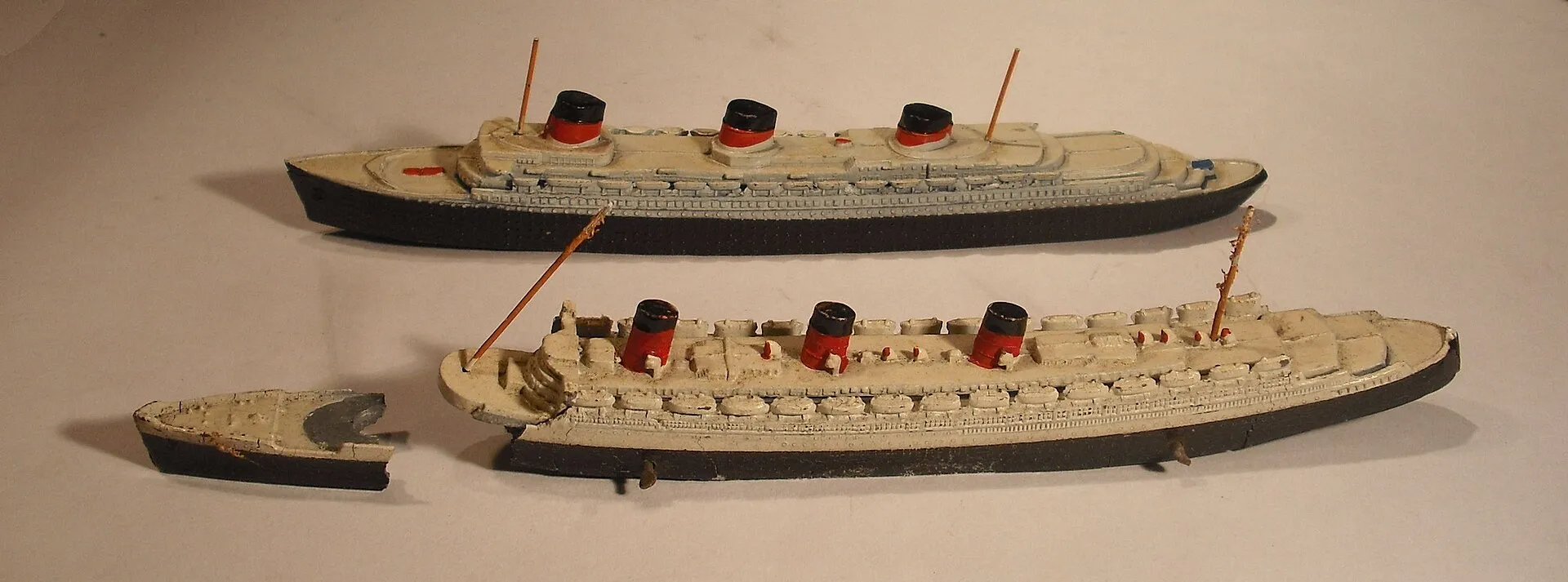
Collectors describe it as:
- A hood or cab top that cracks like an eggshell, or a wavy bulge that grows over a few months.
- Paint that cracks into fine lines over a dull surface.
- Tie rods, axles, hitches and rims that snap with almost no force.
- Grey or white powder, or a tractor that falls apart in its box or on the shelf.
- Damage on one side of a casting only.
Nothing stops it, and it does not spread to other toys. Two copies of the same model can differ, with one crumbling and the other fine for years.
Which toys collectors report
Zinc rot in ERTL farm toys is a collector-reported problem, not a documented production defect. Reports in farm toy Facebook groups and on Yesterday's Tractors (opens in a new tab) concentrate on the Precision Key series, on both the John Deere and International sides, and on the 1937 Heritage Model D made for the John Deere Collector Center. The John Deere 620 LP high crop, 4020 and 8520, and the International 1086 and 6588, come up most often.
No report names a production run or stock number, and ERTL has not confirmed a defect. The International 3588 is usually reported fine next to a rotting 6588. Some collectors blame foreign-made toys from the Britains and ERTL years. Rot is also reported on older and US-made toys, and nobody knows if newer toys will develop it.
If a toy you own has it
No coating or storage method is reported to stop it. Collectors who keep an affected toy swap broken parts from donor tractors, glue salvageable pieces with epoxy, 3D-print replacement cab tops and front ends, or convert a rotted cab toy to an open-station version. Some collectors report a credit from ERTL and Tomy toward another tractor, and others report nothing.
Checking a toy before buying
- Look for cracks, bulges or waves in the hood, cab top and frame, and for broken axles or tie rods. Side and underside photos show more than overhead ones.
- Fine cracks in paint over a dull surface point to zinc rot. Small pimples over flat metal are paint rash.
- Grey or white powder on bare metal, under the drawbar or around the axle mounts, is active rot.
- Rot also happens inside sealed boxes, so a mint-in-box price does not rule it out. Old yellowed blister packs can give off an acid vapor that tarnishes bare zinc, so check carded toys through the bubble.
- Cracked or flat-spotted tires are dry rot, a parts job. Hardened tread can split when pressed.
Dry rot and paint rash
Dry rot is rubber drying out on the tires, hoses and shipping straps of 1970s to 2000s ERTL toys. The rubber goes chalky and cracked, the metal body is fine, and reproduction tires for 1:16 toys are common.
Paint rash looks like zinc rot at first: small pimples or dull spots where moisture was trapped under the enamel. If the metal beneath is flat, the casting is sound.
Storage
Collectors disagree on whether storage matters for zinc rot. Some say the rot is in the metal from the factory, and others say heat and damp speed it up. Cool, dry conditions are still the standard advice for rubber and decals.
- Relative humidity under 50%, ideally 40–45%, held with a dehumidifier or sealed cabinet. Basements and attics run damp.
- Steady temperature, 60–72°F (15–22°C).
- No direct sun, which fades paint and decals and dries out rubber. UV-filtered glass or low-UV LEDs help.
- Factory shipping bands come off before long-term display, since old elastic hardens and can stick to enamel.
A hygrometer shows whether a room or cabinet is under 50%. Browse hygrometers on Amazon (opens in a new tab)
Farm Diecast may earn a commission on qualifying Amazon purchases. Affiliate disclosure
Cleaning, dusting and supplies are covered under care and storage. To identify a toy before judging its condition, see identifying vintage ERTL farm toys.